
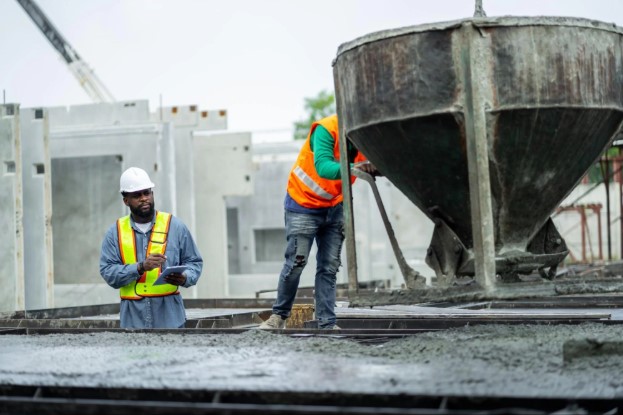

Every structure that endures over time does so because it rests on a foundation capable of supporting the loads placed upon it while resisting the environmental forces that act upon it from below. A properly designed and executed concrete foundation is not merely the starting point of a construction project but its most consequential element, determining the structural integrity, durability, and long-term performance of everything built above it.
Why Foundation Design Is a Specialized Engineering Discipline
Foundation design requires an understanding of structural loads, soil mechanics, groundwater conditions, frost depth, and seismic considerations that goes well beyond the knowledge required for above-grade construction. A foundation that performs adequately on one site may fail on another with different soil bearing capacity or drainage characteristics. Geotechnical investigation, including soil borings and laboratory testing of soil samples, provides the data on which responsible foundation design is based. Structural engineers use this data to specify foundation type, dimensions, reinforcing requirements, and construction procedures appropriate to the specific site conditions and building loads.
Common Concrete Foundation Types and Their Applications
Different building types and site conditions call for different foundation approaches. Slab-on-grade foundations, where a concrete slab is poured directly on prepared subgrade, are efficient and cost-effective for structures in frost-free climates with suitable bearing soils. Crawl space foundations elevate the building above grade on stem walls, providing access to mechanical systems and protecting wood framing from ground moisture. Full basement foundations create usable below-grade space and provide excellent thermal performance in cold climates. Deep foundation systems including piles and piers transfer building loads through weak surface soils to deeper bearing strata when shallow foundations are not adequate.
The Role of Concrete Mix Design and Reinforcement
The performance of a concrete foundation depends critically on the quality of the concrete mix and the reinforcement embedded within it. Mix design specifies cement content, water-to-cement ratio, aggregate gradation, and admixtures to achieve the target compressive strength, workability, and durability for the specific exposure conditions. Reinforcing steel, placed according to the engineer’s design, provides the tensile capacity that concrete lacks on its own, controlling cracking and allowing the foundation to redistribute loads across its extent. Proper concrete placement, consolidation, curing, and protection during and after placement are all essential to achieving the design strength and durability in the finished foundation.
Waterproofing and Drainage for Below-Grade Structures
Below-grade foundation elements are exposed to groundwater, soil moisture, and hydrostatic pressure that can cause water infiltration, reinforcement corrosion, and freeze-thaw damage if not properly managed. Waterproofing systems applied to below-grade foundation walls, combined with drainage layers that redirect water away from the structure, protect the foundation from moisture-related deterioration. Foundation drains collect water that would otherwise build up against the foundation and direct it to daylight or collection systems. The quality of waterproofing and drainage installation has a direct bearing on the long-term performance of below-grade spaces and on the durability of the foundation itself.
Foundation Inspection and Quality Assurance
Concrete foundation construction requires ongoing quality assurance to verify that work in progress meets design requirements. Inspection of prepared subgrade conditions before concrete placement, verification of reinforcing steel placement and cover dimensions, concrete testing including slump and air content during placement, and review of curing and protection measures all contribute to confidence that the finished foundation will perform as designed. Code-required inspections by local building officials provide a regulatory layer of oversight, but project-specific special inspections by qualified personnel provide the continuous verification that complex or critical foundation work requires.
Conclusion
A strong concrete foundation is the indispensable basis on which every successful construction project rests. The investment in proper geotechnical investigation, structural engineering, quality materials, and careful construction and inspection processes creates foundations that carry their loads without distress, resist environmental forces throughout their service life, and support the structures above them for generations. Building owners and developers who understand the importance of foundation quality and invest accordingly avoid the costly consequences of foundation problems that compromise everything built above.